Step 10: Cook or store the fettuccine
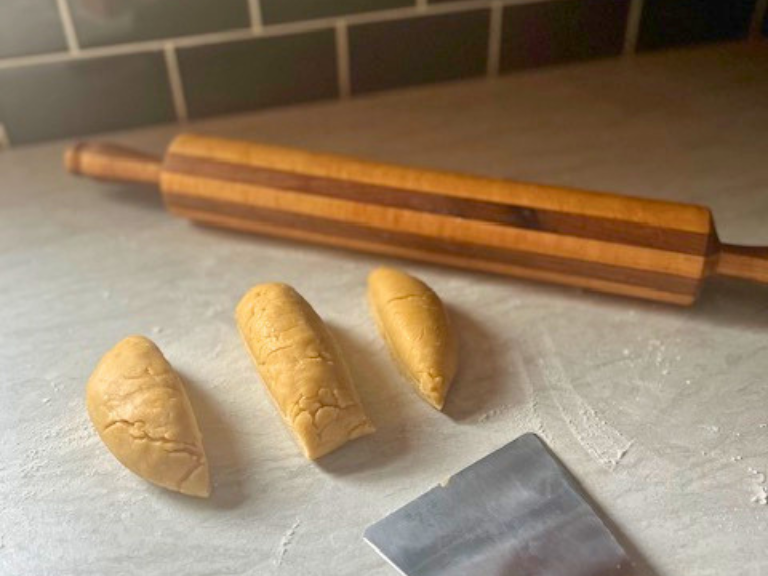
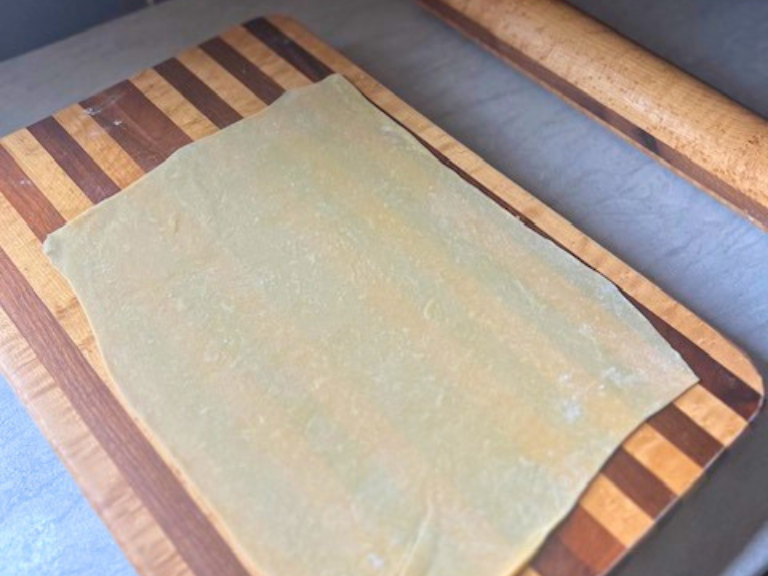
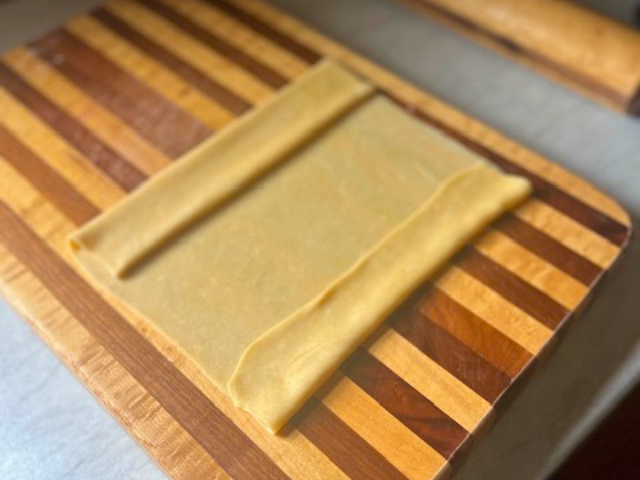
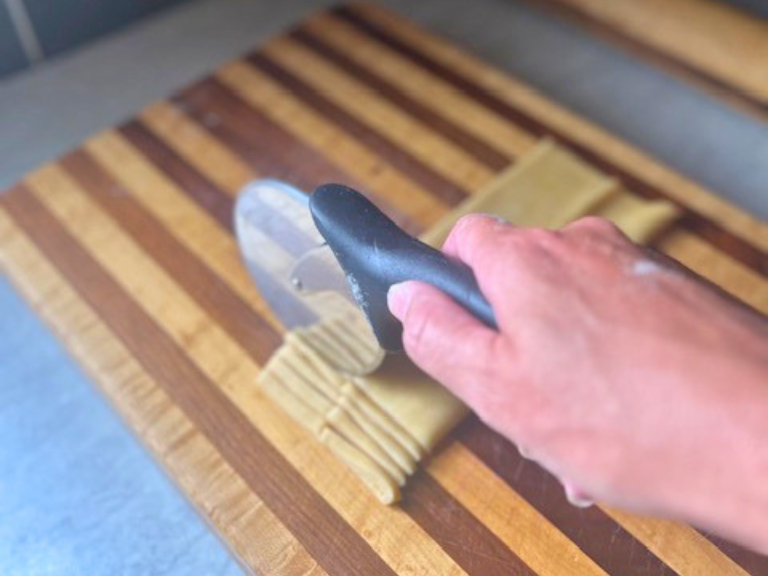
Repeat the rolling, folding, and cutting process with the remaining dough.
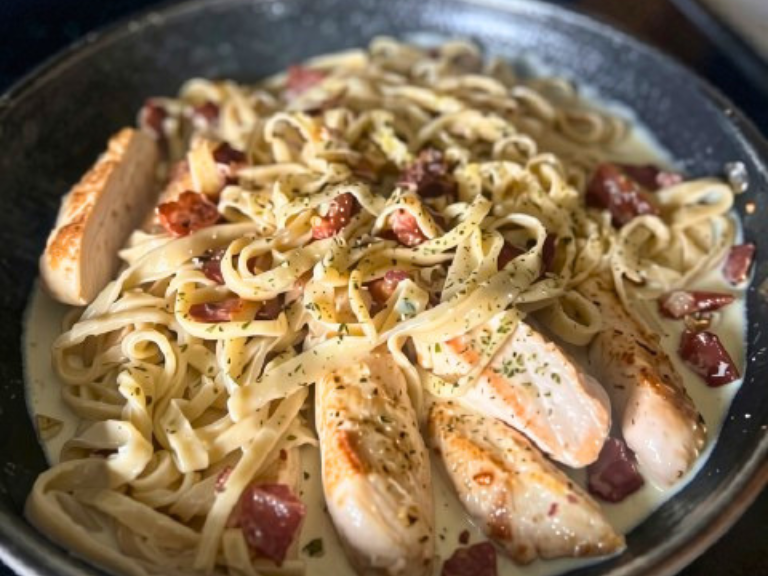
Cook the fresh fettuccine in a pot of salted boiling water until tender, checking frequently because fresh pasta cooks much faster than dried pasta. Cooking time will depend on the thickness of your noodles and how long they have been drying.
Drain and toss with your favorite sauce. If you are saving the pasta for another day, see the storage tips below.
Tips for Making the Best Homemade Fettuccine
Measure the flour carefully. Too much flour can make the dough difficult to knead and roll.
Knead for the full 10 minutes. This helps develop the dough’s structure and creates a smoother texture.
Don’t skip the resting period. Rested dough is much easier to roll out.
Keep unused dough covered. Exposure to air can dry the surface and make it harder to work with.
Use a light dusting of flour. A little helps prevent sticking, but too much can make the finished pasta dry.
Adjust the noodle width. Traditional fettuccine is ribbon-shaped, but you can cut the noodles slightly narrower or wider to suit your preference.
How to Serve Homemade Fettuccine
Fresh fettuccine is delicious with many different sauces. Try serving it with:
Creamy fettuccine Alfredo with Parmesan cheese.
Homemade marinara sauce and fresh basil.
Garlic butter with Parmesan and black pepper.
A creamy chicken and mushroom sauce.
Pesto with freshly grated Parmesan.
Fresh pasta absorbs sauce beautifully, making it a great choice for simple weeknight meals and special family dinners.
How to Store Homemade Pasta
Refrigerator: Fresh egg pasta is perishable. For best quality and food safety, cook it promptly or refrigerate it in a covered container and use it within 1–2 days. Avoid sealing damp, freshly cut noodles into a container where they can clump together.
Freezer: Freeze portions you plan to save for another meal. Arrange the noodles in loose nests on a lightly floured tray and freeze until firm, then transfer them to a freezer-safe bag or container. Cook from frozen, adding the pasta directly to boiling water and allowing a little extra cooking time.
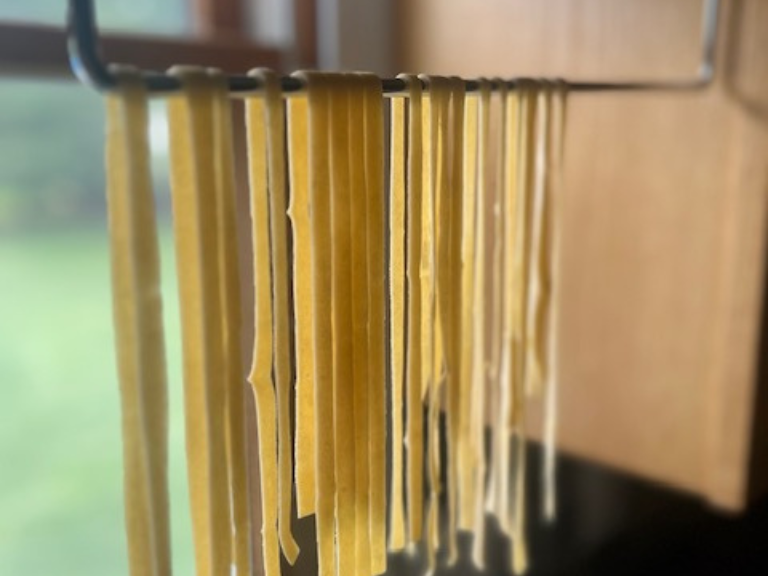
Drying: Briefly hanging the noodles on a rack is helpful while you finish preparing the batch. This is not the same as thoroughly drying pasta for shelf-stable storage. Homemade egg pasta should not be stored at room temperature unless it has been dried using a validated method that makes it safe for that purpose.
Frequently Asked Questions
Can I make fettuccine without a pasta machine?
Yes! A rolling pin, a clean work surface, and a knife or pizza cutter are all you need. Rolling by hand takes a little effort, but it is a practical way to make fresh pasta at home.
Why does my pasta dough feel dry or crumbly?
The dough may need more kneading, or the flour measurement may be slightly high. Knead for several minutes first. If it remains too dry to come together, work in a few drops of water at a time rather than adding a large amount at once.
Why is my pasta dough too sticky?
A little stickiness is normal when you first mix the ingredients. Knead the dough before adding more flour. If it continues to stick heavily to your hands or work surface, sprinkle on a small amount of flour as needed.
How long should homemade fettuccine rest?
Let the dough rest, tightly wrapped, for about 30 minutes at room temperature. This relaxes the gluten and makes rolling easier.
How thick should I roll the dough?
For this hand-cut method, roll the dough to approximately 1/4 inch thick before folding and cutting. Aim for an even sheet, and adjust as needed to achieve the noodle texture you enjoy.
How wide should I cut fettuccine?
For this recipe, cut strips approximately 1/8 inch wide. You can make them slightly wider or narrower depending on your preference.
How long does fresh fettuccine take to cook?
Fresh fettuccine generally cooks in a few minutes, often around 2–4 minutes depending on thickness and drying time. Start checking early and cook until the noodles are tender but still have a little bite.
Can I freeze leftover pasta dough?
Yes. Divide the dough into portions, wrap them tightly, and freeze in a freezer-safe bag or container. Thaw in the refrigerator before rolling and cutting. Keep in mind that dough texture can vary slightly after freezing.
Can I freeze the cut fettuccine instead?
Absolutely. Arrange the noodles in loose nests, freeze them on a tray, and transfer them to a freezer-safe container once firm. Cook directly from frozen rather than thawing the noodles first.
Do I have to dry the fettuccine before cooking?
No. If you are cooking the noodles the same day, a brief rest on a rack while you finish cutting the dough is enough. Fresh pasta does not need to become completely dry before cooking.
A Simple Homemade Pasta Worth Making Again
Making fettuccine from scratch is easier than it may seem. With a handful of basic ingredients and a little time, you can prepare fresh pasta for your favorite meals. Once you get comfortable with the process, you can adjust the noodle thickness, make extra portions for the freezer, and enjoy homemade pasta whenever the craving strikes.
If you try this homemade fettuccine recipe, pair it with your favorite sauce and enjoy the difference fresh pasta brings to the table!